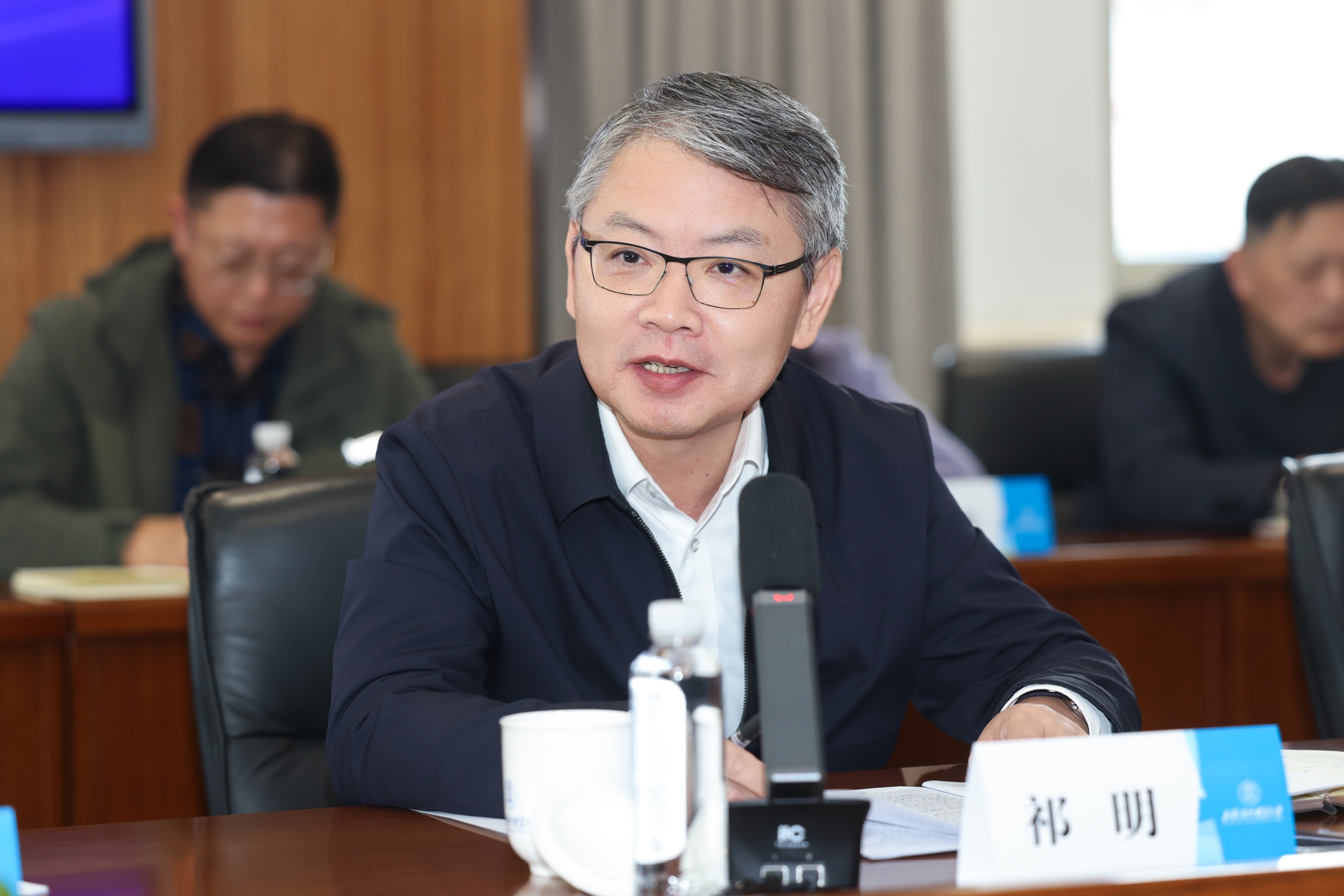
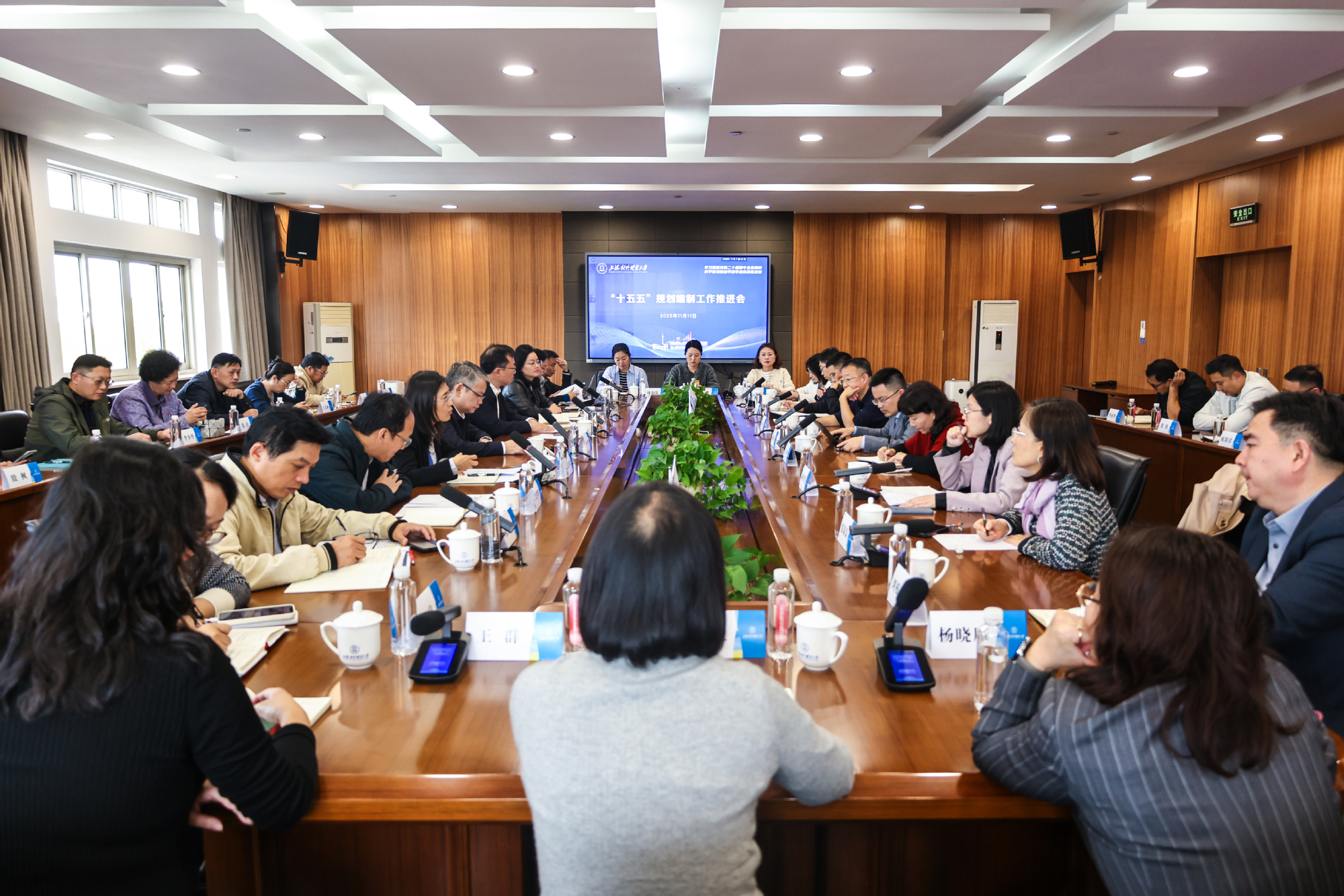
On the afternoon of November 11, SUIBE convened a meeting on advancing the formulation of its 15th five-year plan. Chairman of the University Council of SUIBE Qi Ming, President
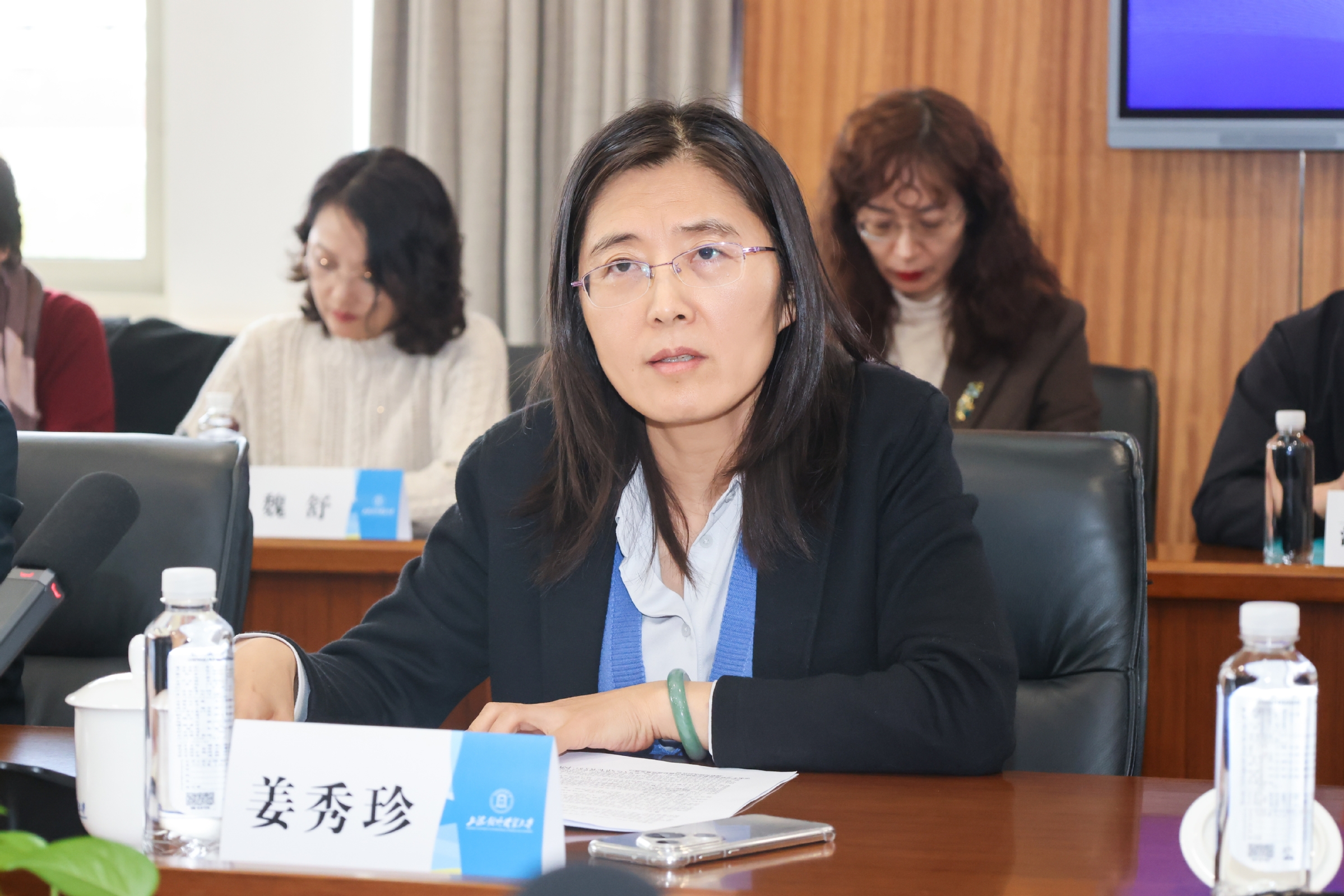
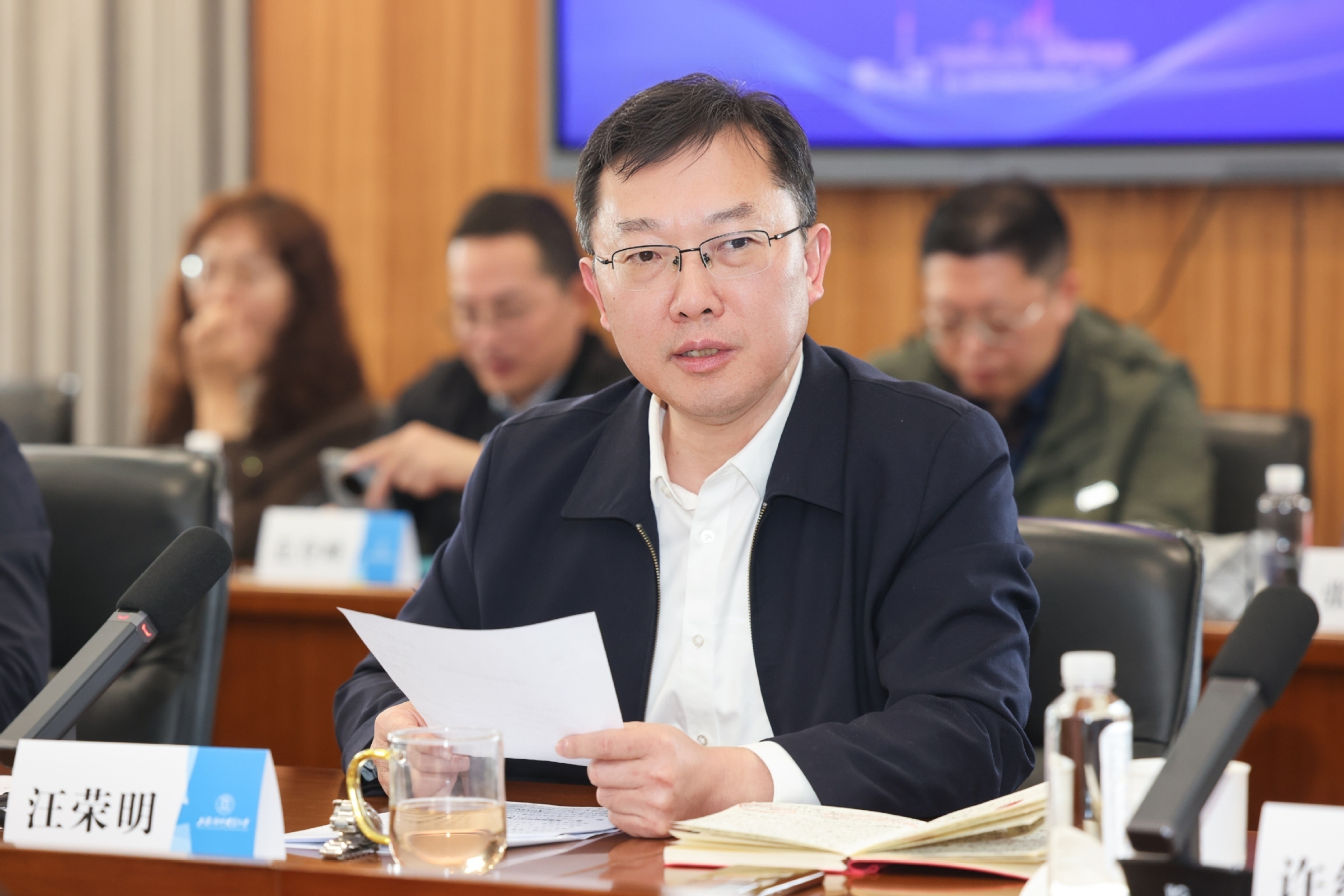
Wang Rongming commended the solid work carried out by all sectors in SUIBE in formulating the plan and outlined four key requirements for the next phase: First, elevate political awareness and fully recognize the strategic significance of the 15th Five-Year Plan complication. Second, leverage strengths of SUIBE to scientifically design development pathways, strengthen top-level planning, prioritize educational objectives, enhance training quality, and improve plan feasibility. Third, focus on key areas to advance comprehensive reforms during the 15th Five-Year Plan period, optimize academic disciplines, innovate talent cultivation models, reform scientific research organization methods, strengthen faculty development, and improve internal governance structures. Fourth, enhance SUIBE implementation, consolidate synergy between planning complication and execution to ensure effective outcomes, fostering a coordinated and unified situation across SUIBE.
Qi Ming noted that the 15th five-year plan period will be a crucial stage for the university as it accelerates its efforts to build a high-level finance and economics university that is world-renowned, first-class domestically, and distinctive in character. He emphasized that thoroughly studying and implementing the guiding principles of the Fourth Plenary Session of the 20th Communist Party of China Central Committee should serve as the fundamental guideline and scientific basis for formulating the university’s 15th five-year plan. First, it is necessary to strengthen studies, raise awareness, and build consensus, gain a clear understanding of the evolving development landscape, accurately define the university’s positioning, and further consolidate the foundation for the scientific formulation of a high-quality plan. Second, the university should uphold Party leadership and coordination between the Party and administration, give full play to the role of primary-level Party organizations in setting direction, ensuring implementation, and mobilizing support, and ensure that all planning tasks are effectively carried out. Third, attention should be paid to distinguishing and aligning comprehensive reforms with the 15th five-year plan, breaking down goals and tasks at all levels, accurately identifying bottlenecks, and removing institutional and structural barriers. Fourth, the university should integrate top-level design with broad-based consultation, expand the scope of opinion solicitation, and make the planning process one that brings together the collective strength of the entire university. All units and departments are required to communicate the key points of the meeting and make arrangements for the next stage of work, ensuring that thinking and actions are aligned with the university’s overall decisions and plans.